year
2024-2025
Role
Lead Strategist & Visual Designer
timeframe
6 months
tools
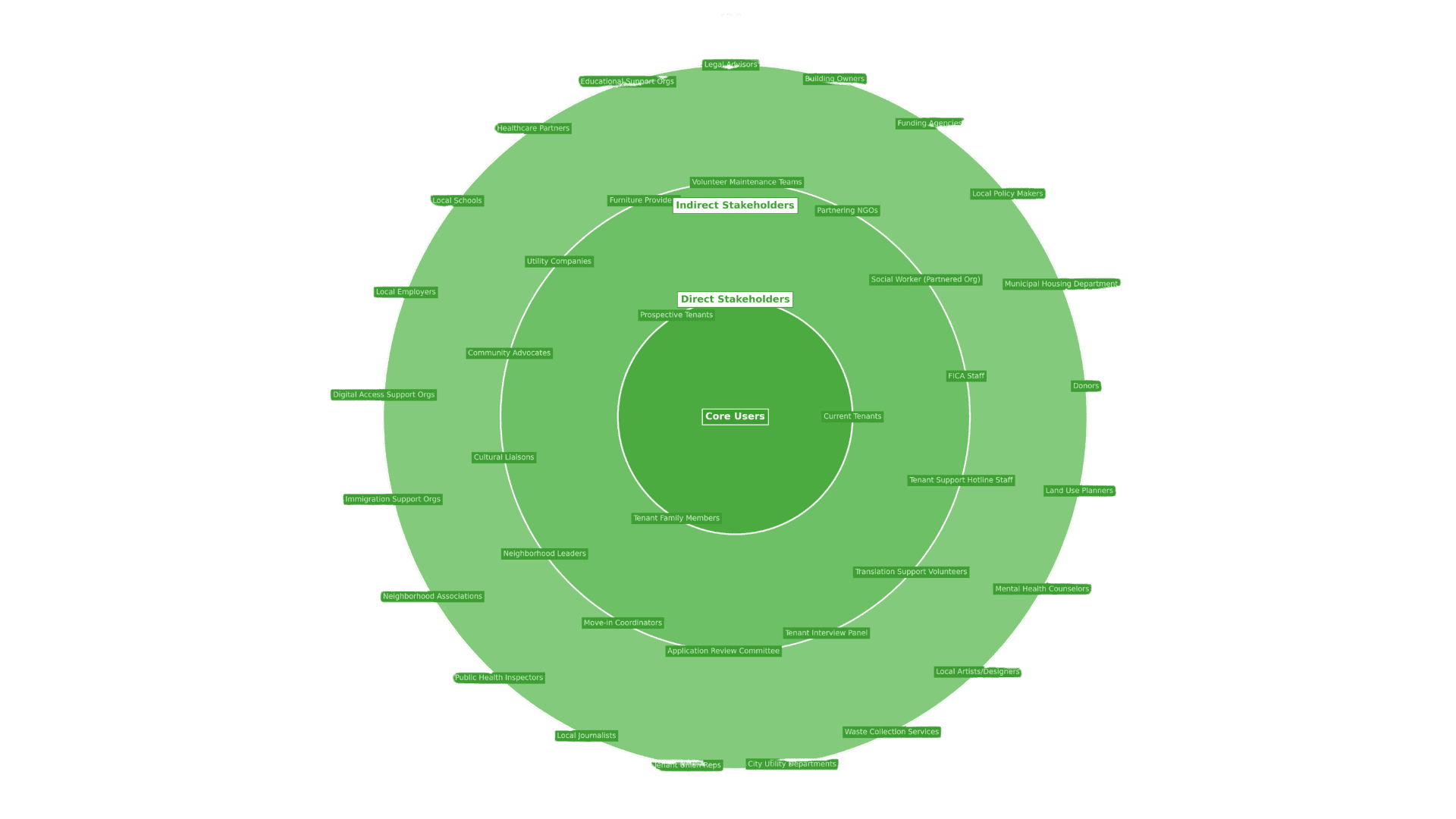
Probes, Stakeholder Mapping, Interactive Data Visualization, and Public Installation
Every day, over 39,000 transborder students cross from Mexico into the United States for school, yet their experiences remain largely invisible in policy and design conversations. In San Luis Río Colorado, a small but vital border town, few institutional resources exist to support these students. Buzz Beyond Borders, a binational initiative led by transborder students, uses participatory design and analog storytelling to surface their voices and collective narratives. Designed as a scalable civic tool and public intervention, the project reimagines how systems can listen, respond, and build dignity-centered services. Through community-led outreach, public installations, and cross-institutional partnerships, we began bridging San Luis with stronger networks in cities like Tijuana, the world's busiest border crossing, fostering collaborative infrastructure and future policy dialogue rooted in lived experience.
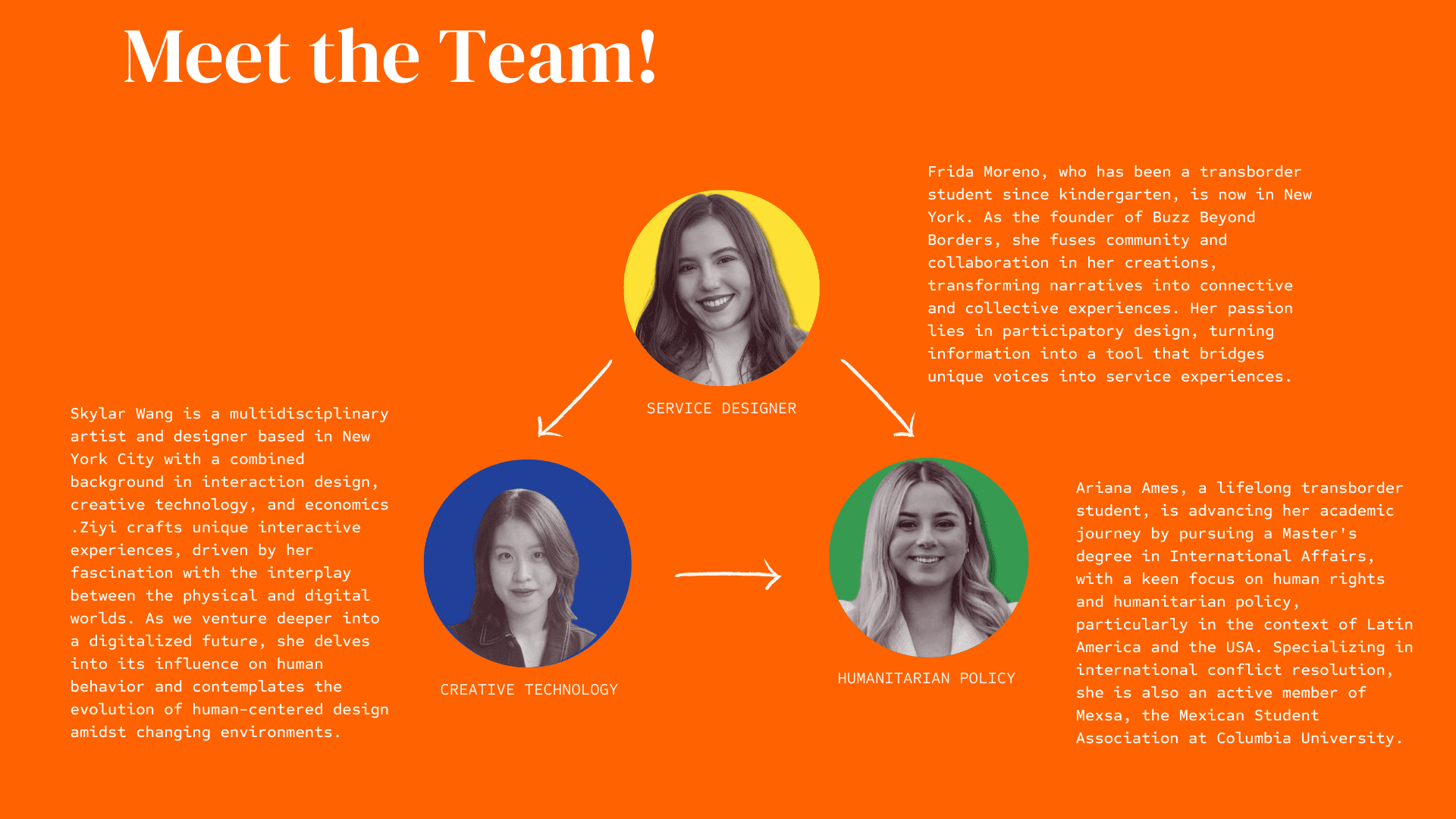
The Buzz Beyond Borders team is led by three core members, including two transborder students who were raised along the U.S.–Mexico border and bring lived experience to the heart of the work. The team collaborated and co-created with key actors from institutions such as the Transborder Institute, Transborder Scholars, and the Mexican Student Association at Columbia University to expand the project's reach and impact for cross-border education, policy dialogue, and community empowerment.
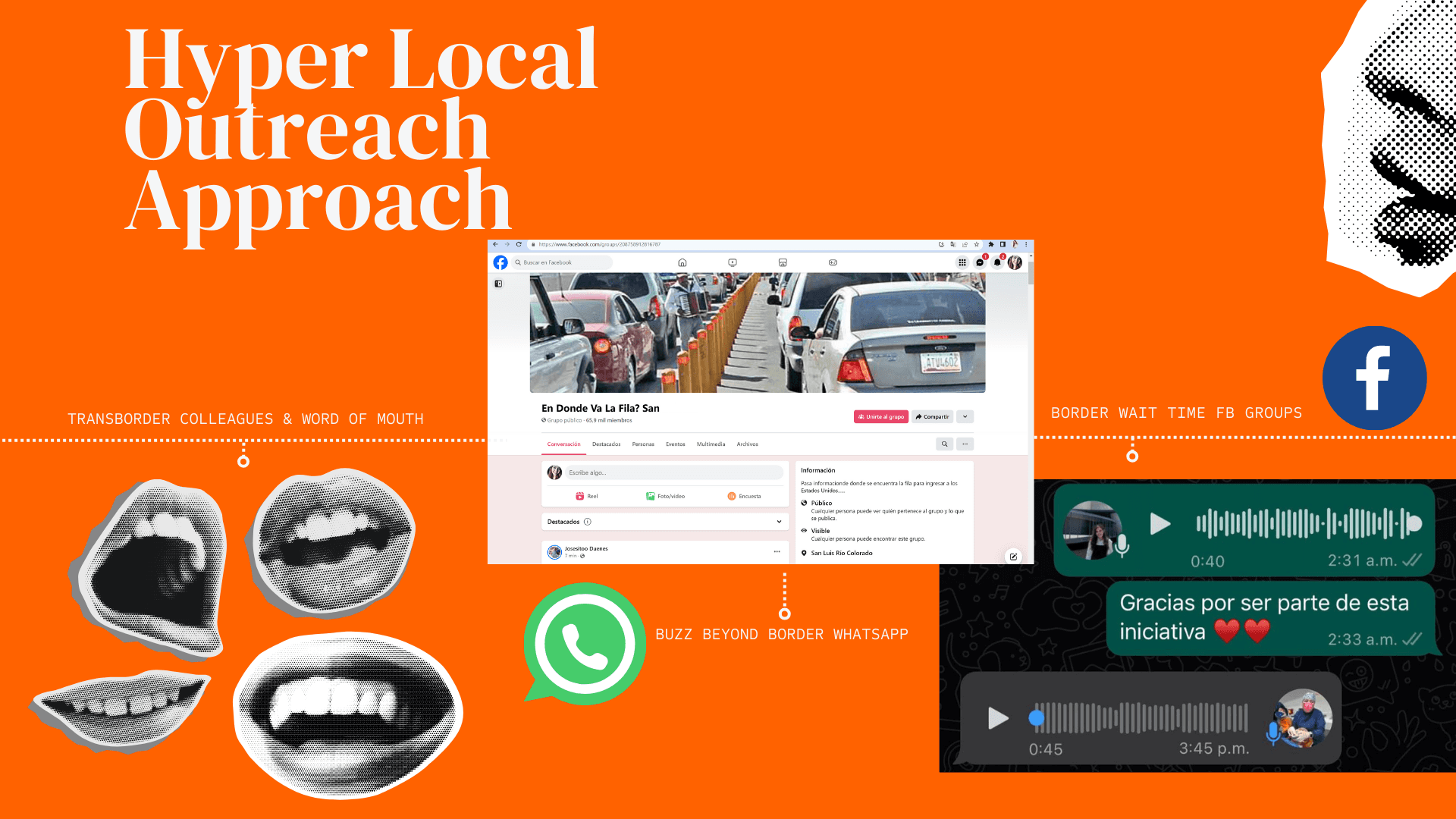
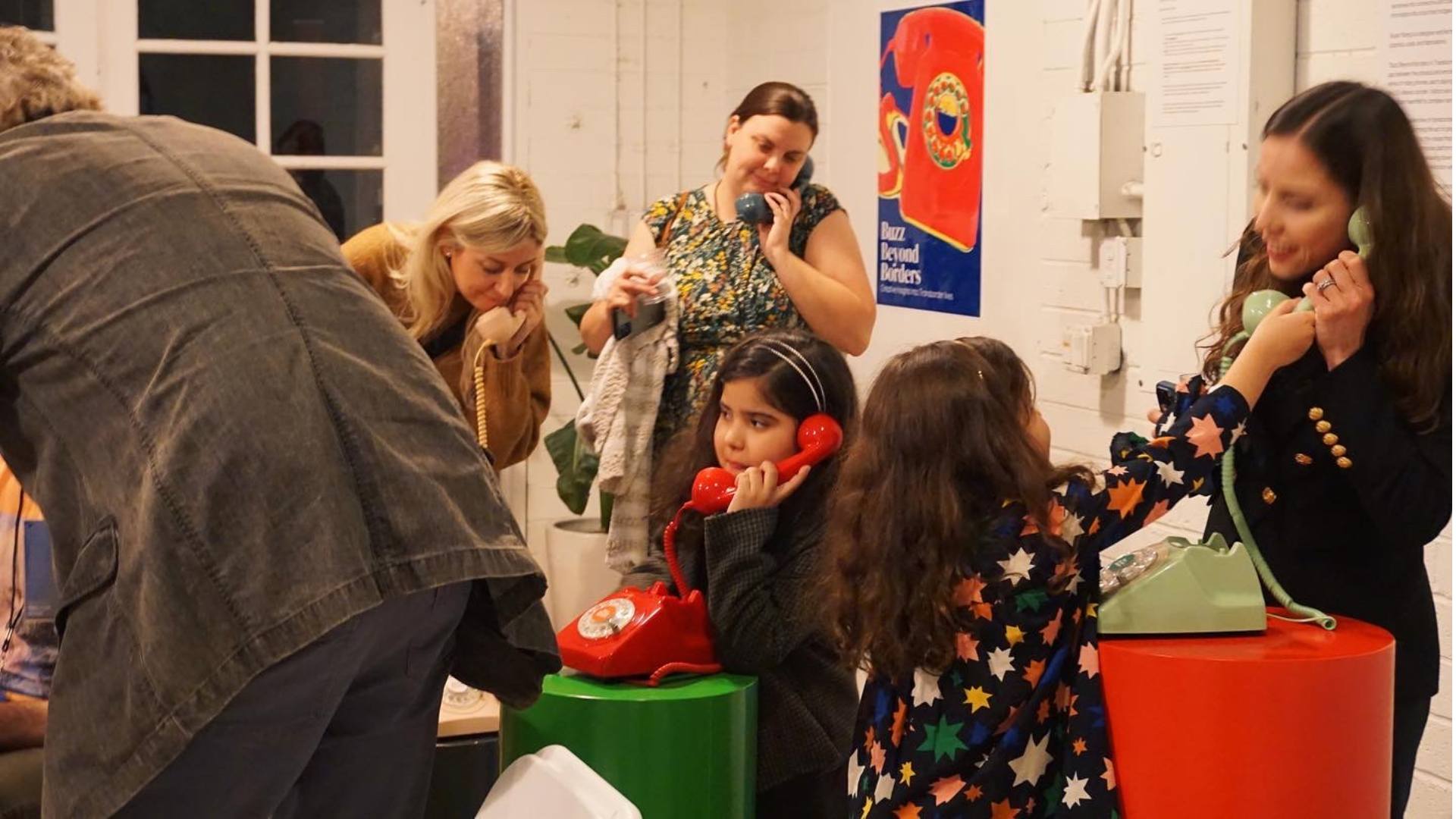
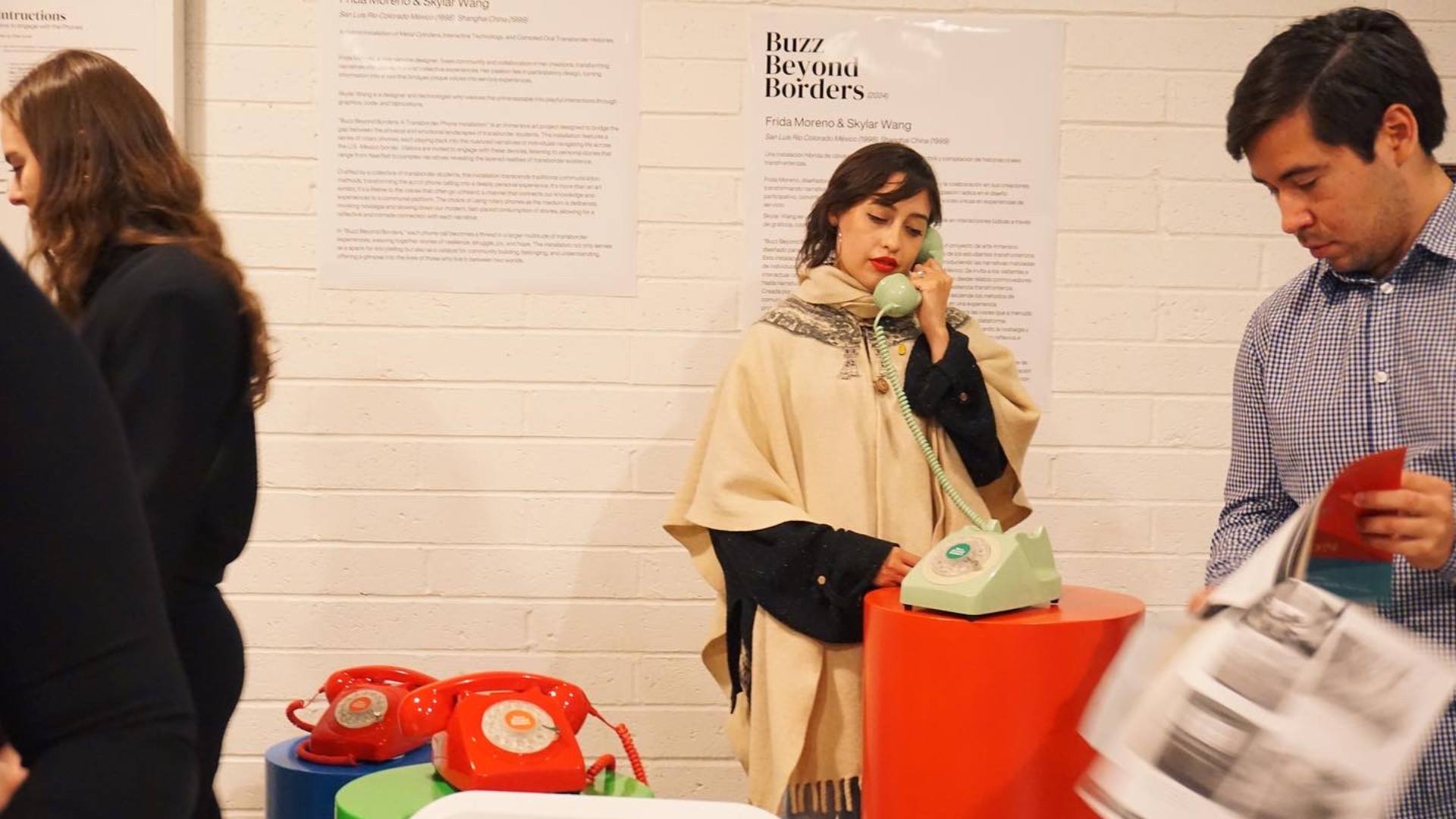
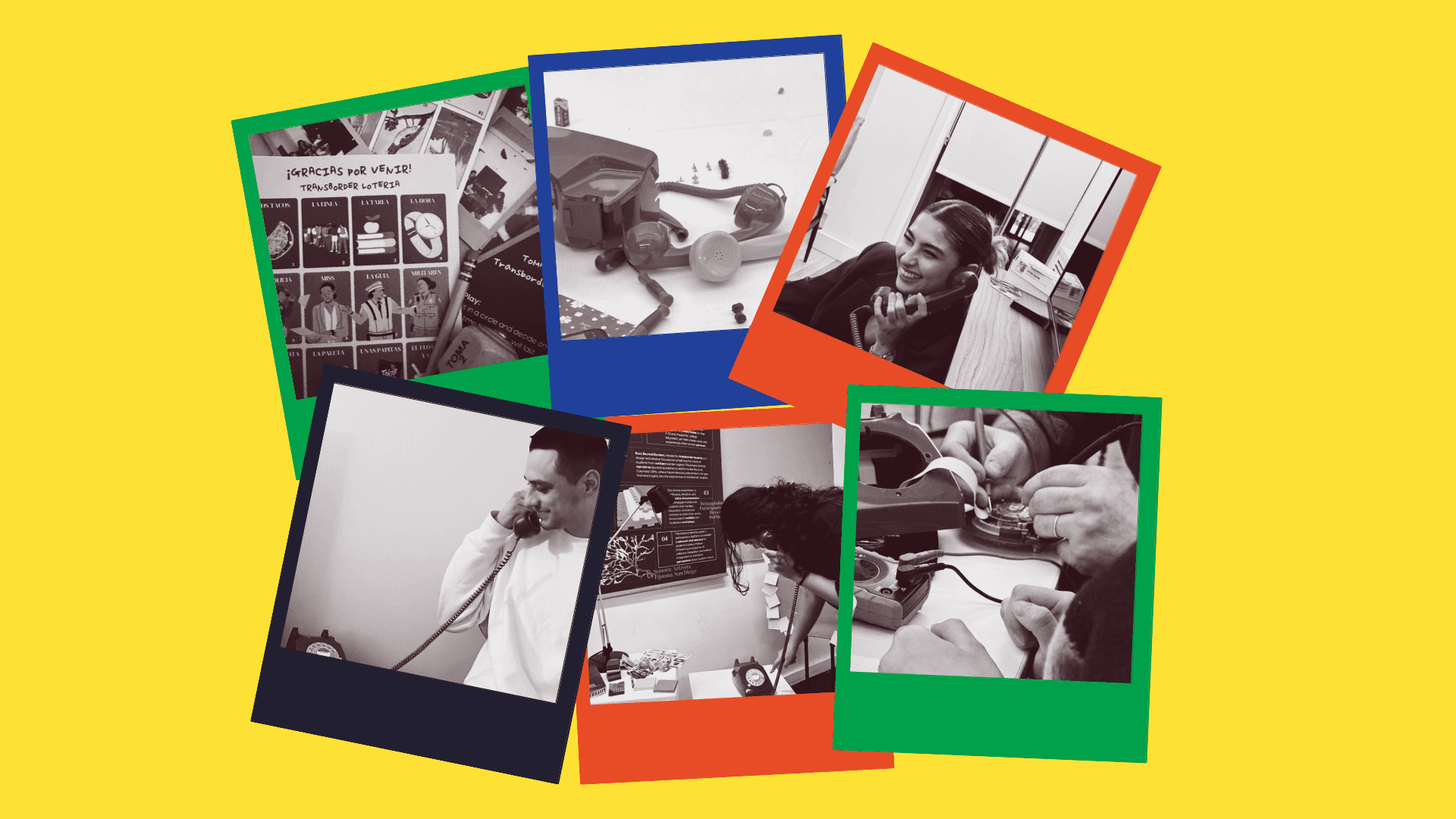
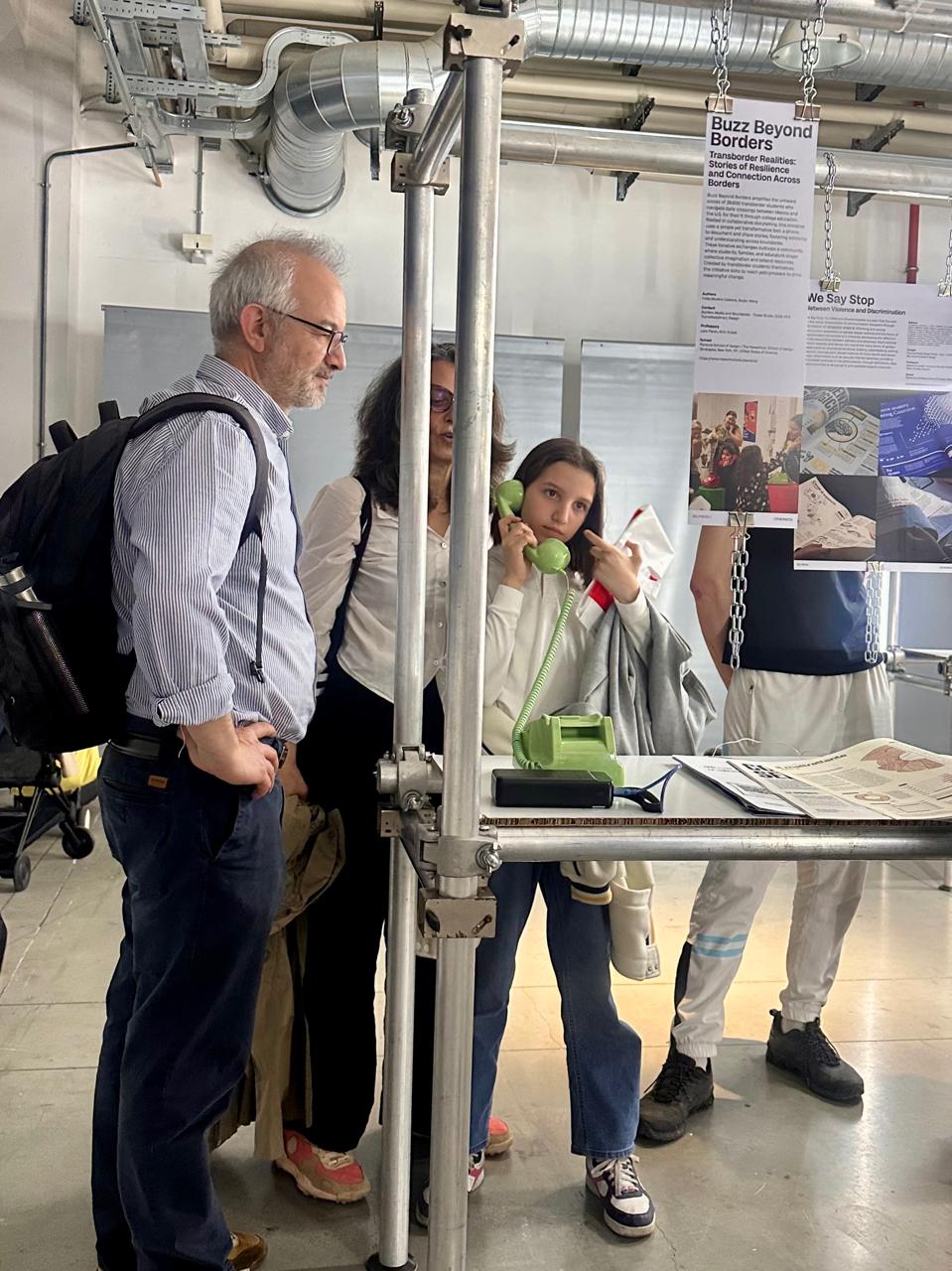
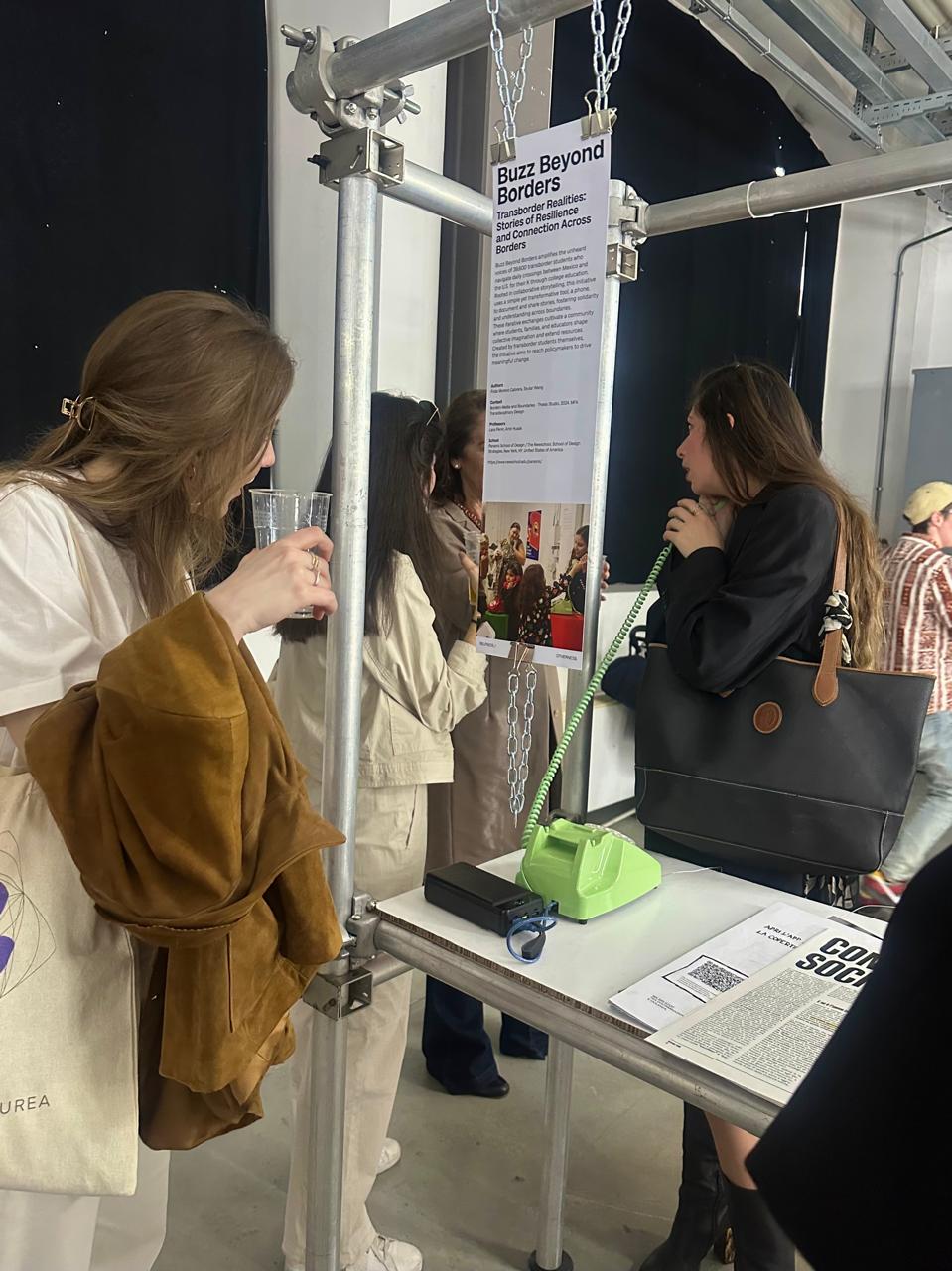
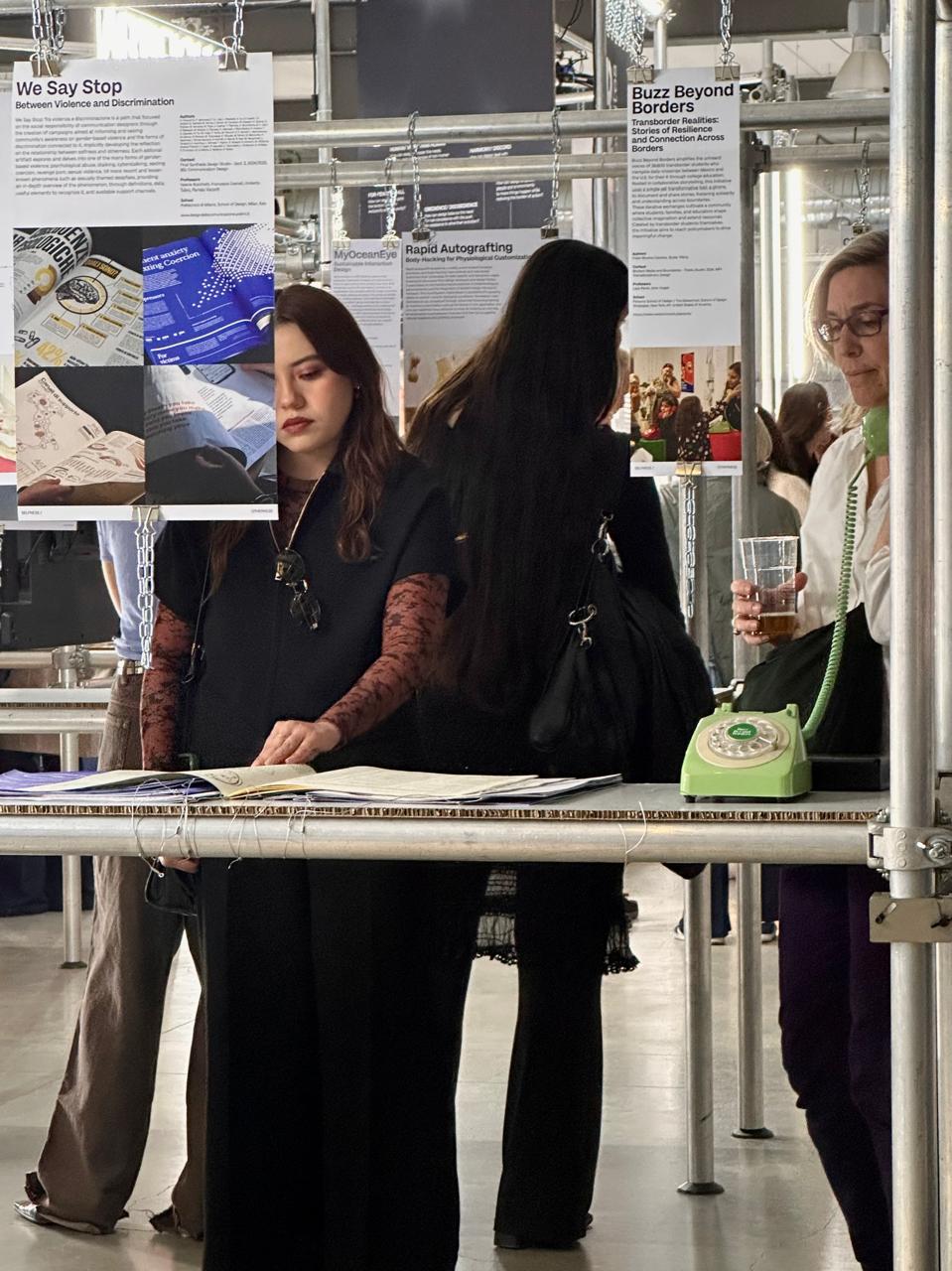
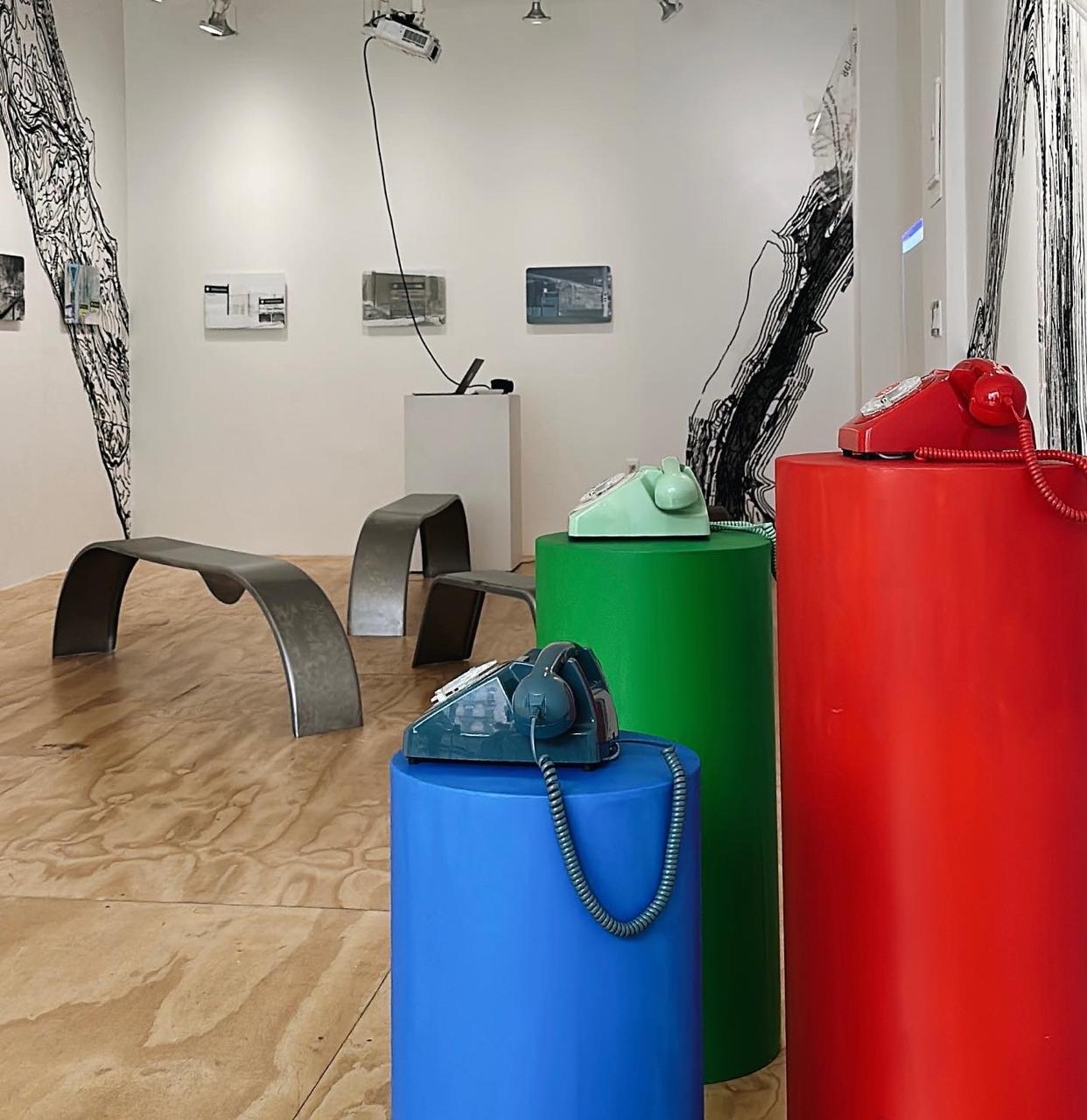
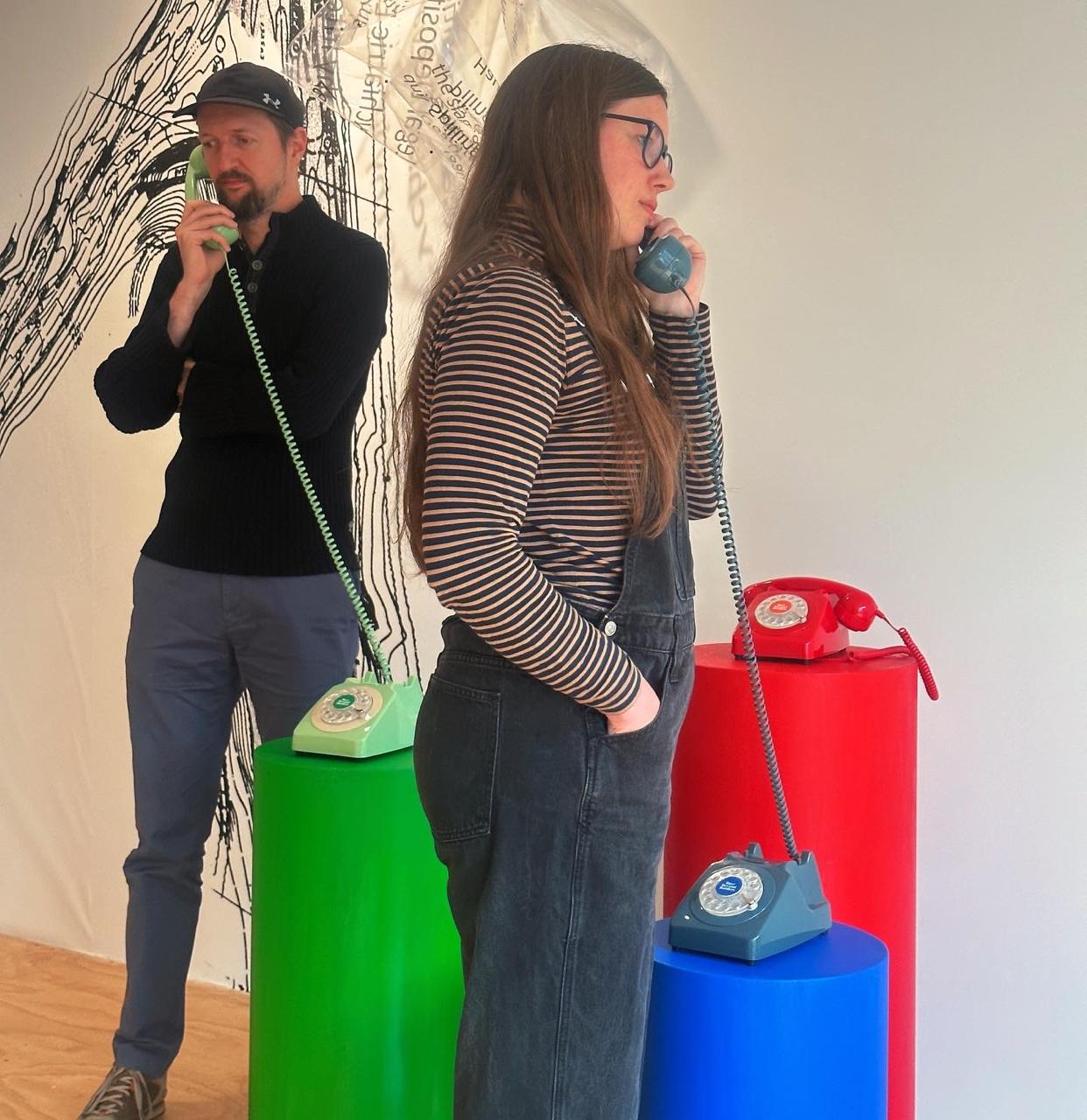
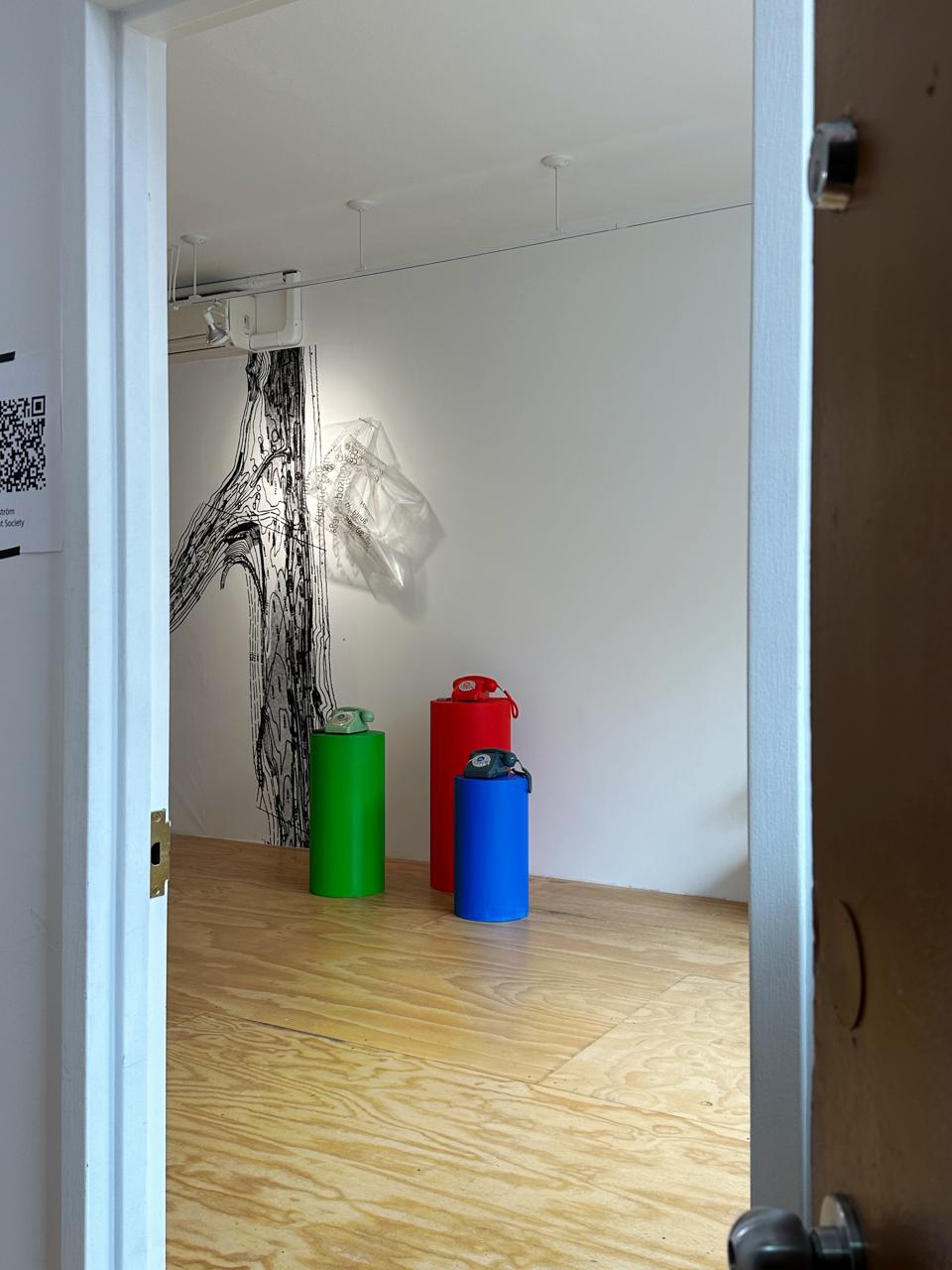
In our initial outreach, we used a Facebook page, commonly checked for border wait times, to reach transborder families. Through this familiar space and personal connections, we invited participants to share their stories using our rotary dial phone.
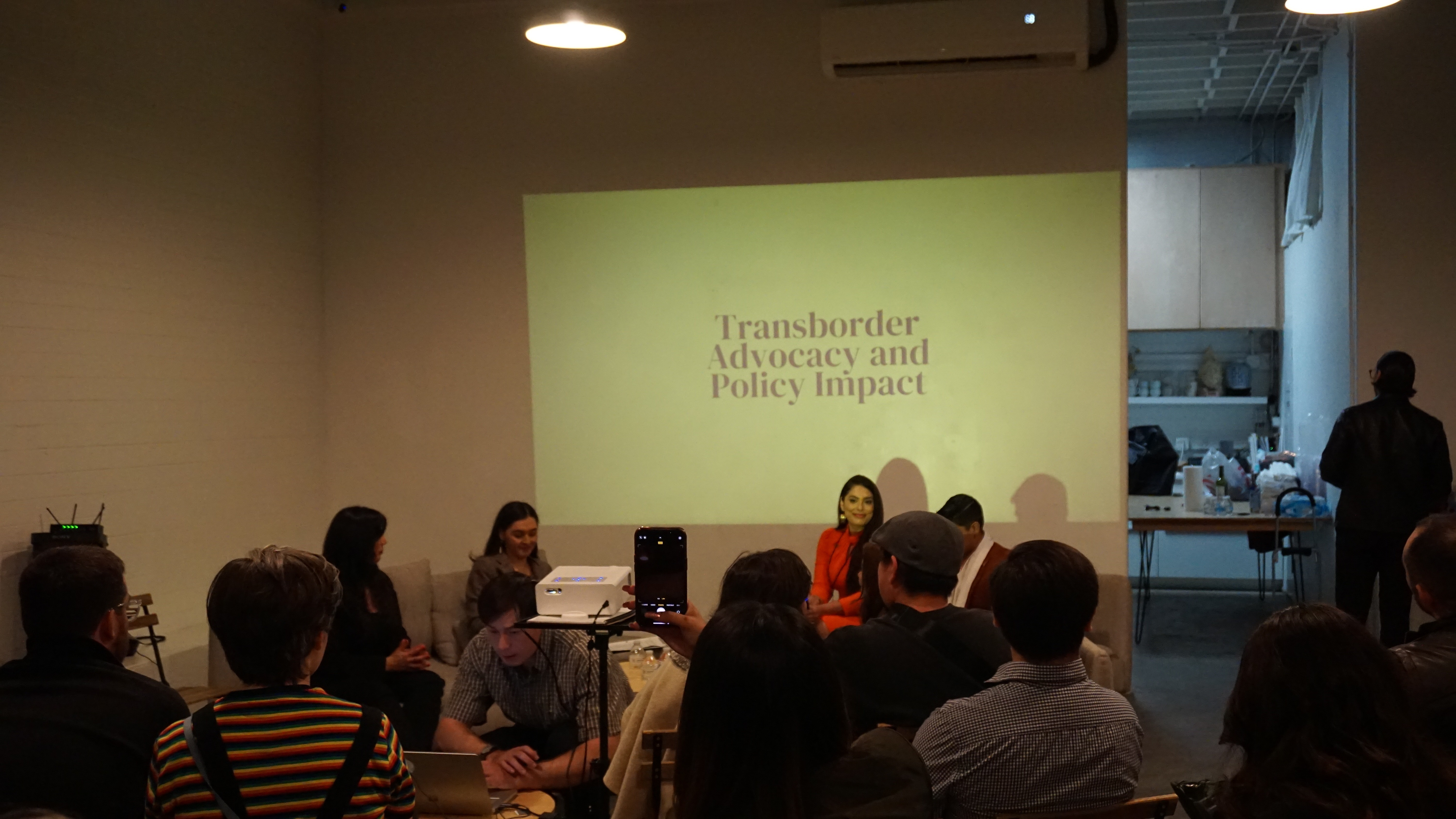
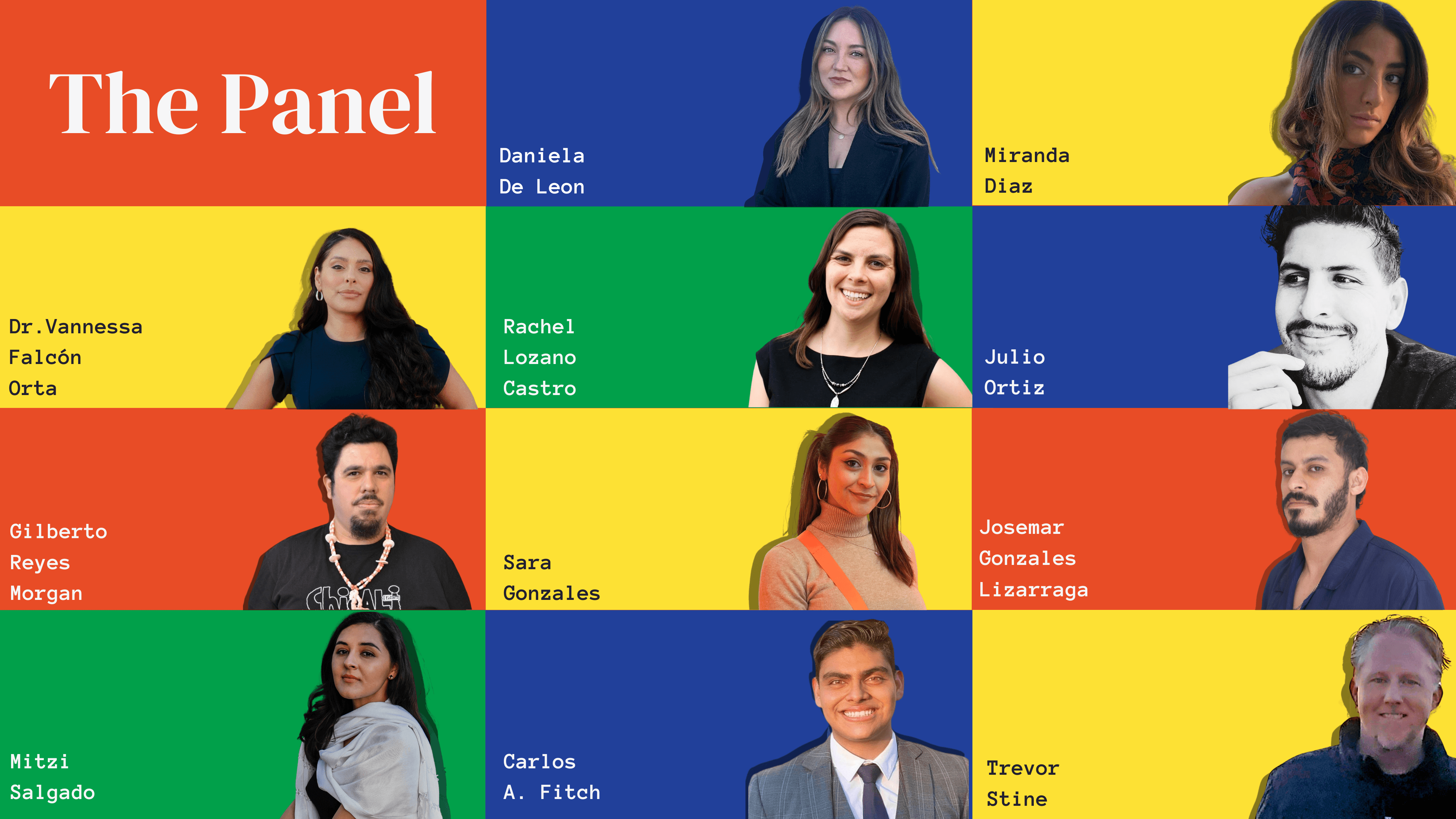
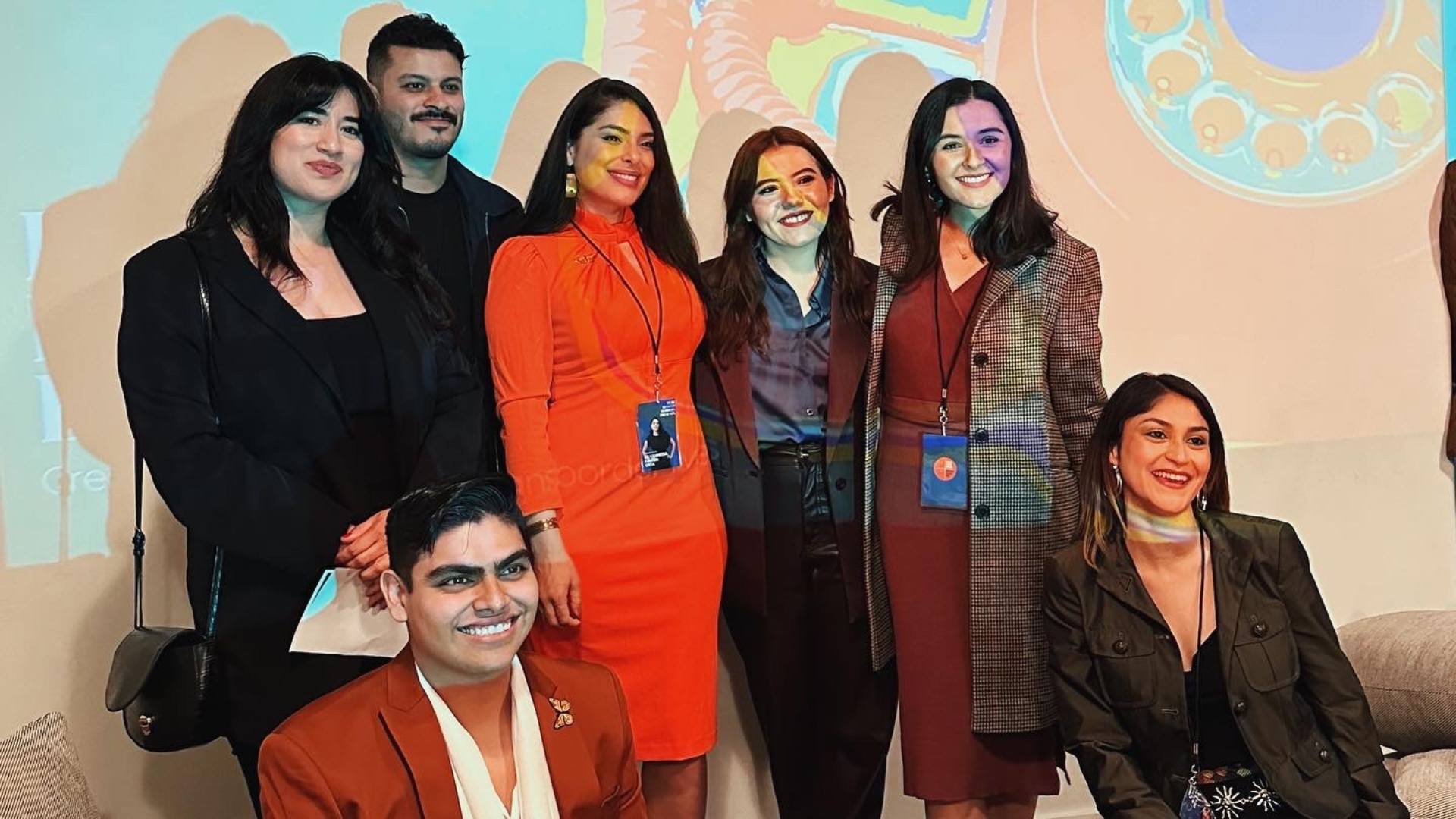
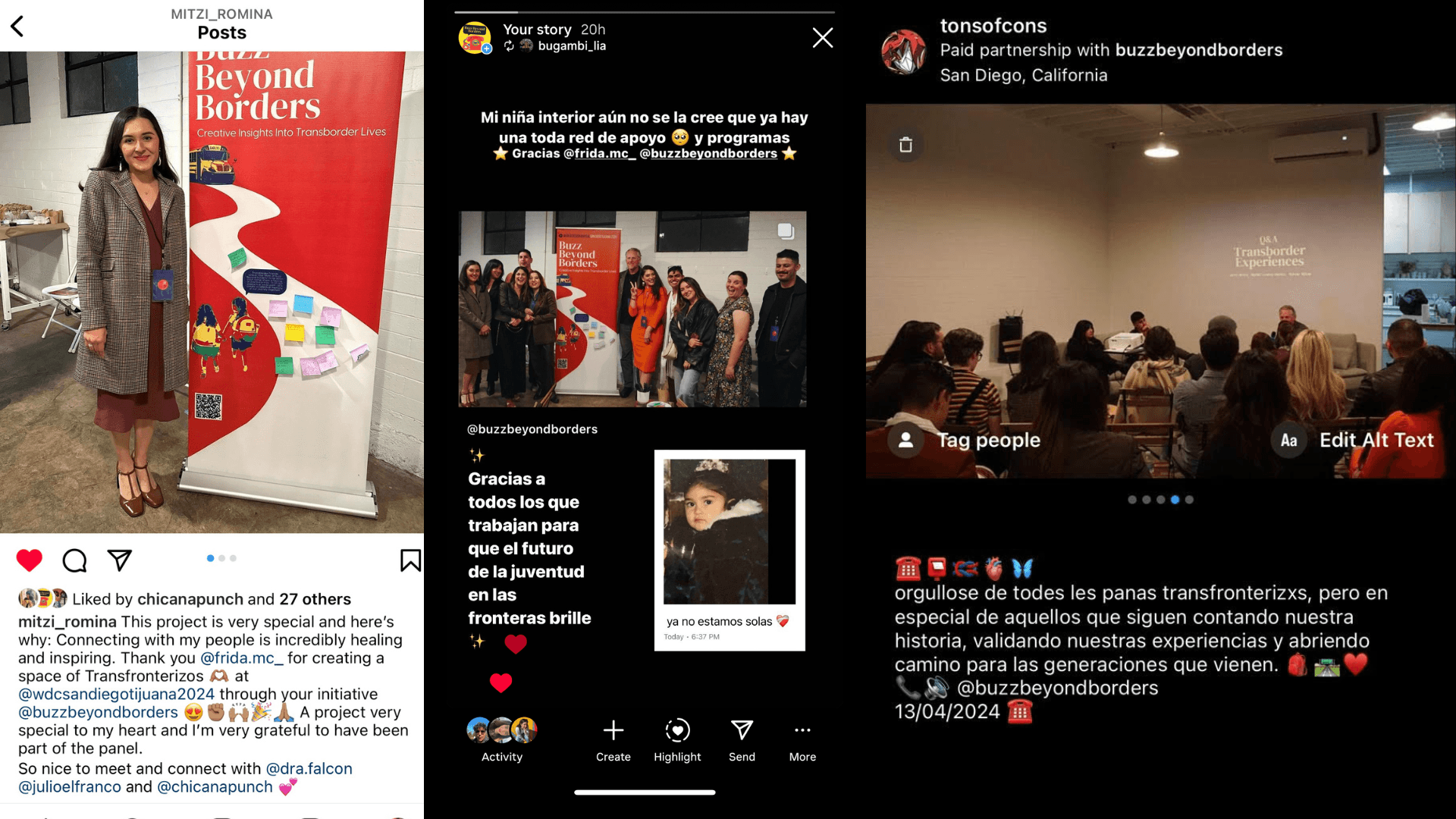
Vanessa Falcón speaks as a panelist during the Buzz Beyond Borders intervention, sharing her expertise as a leading voice in transborder education and student advocacy. Her presence highlights the importance of centering lived experience in shaping equitable border policy.
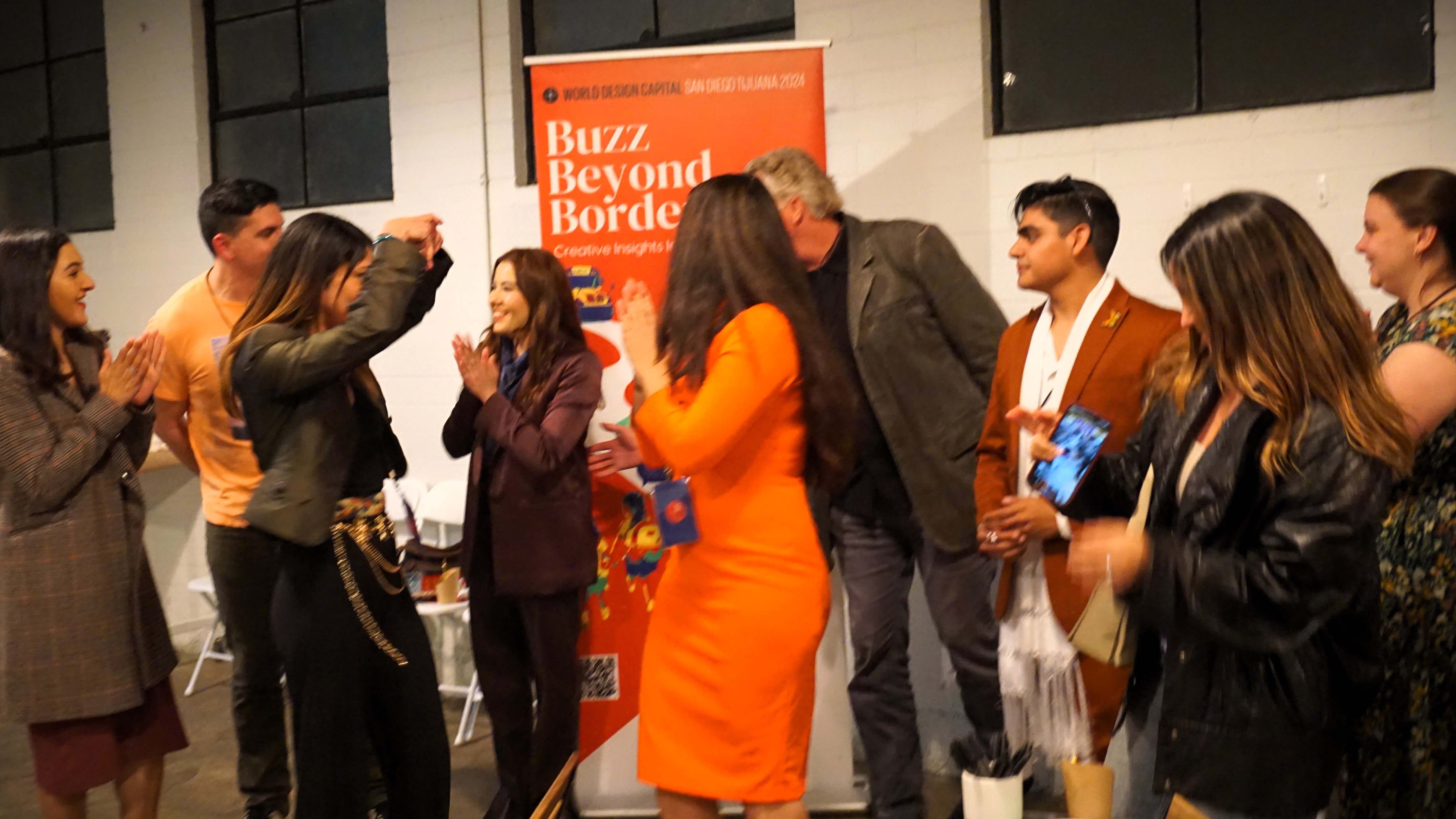
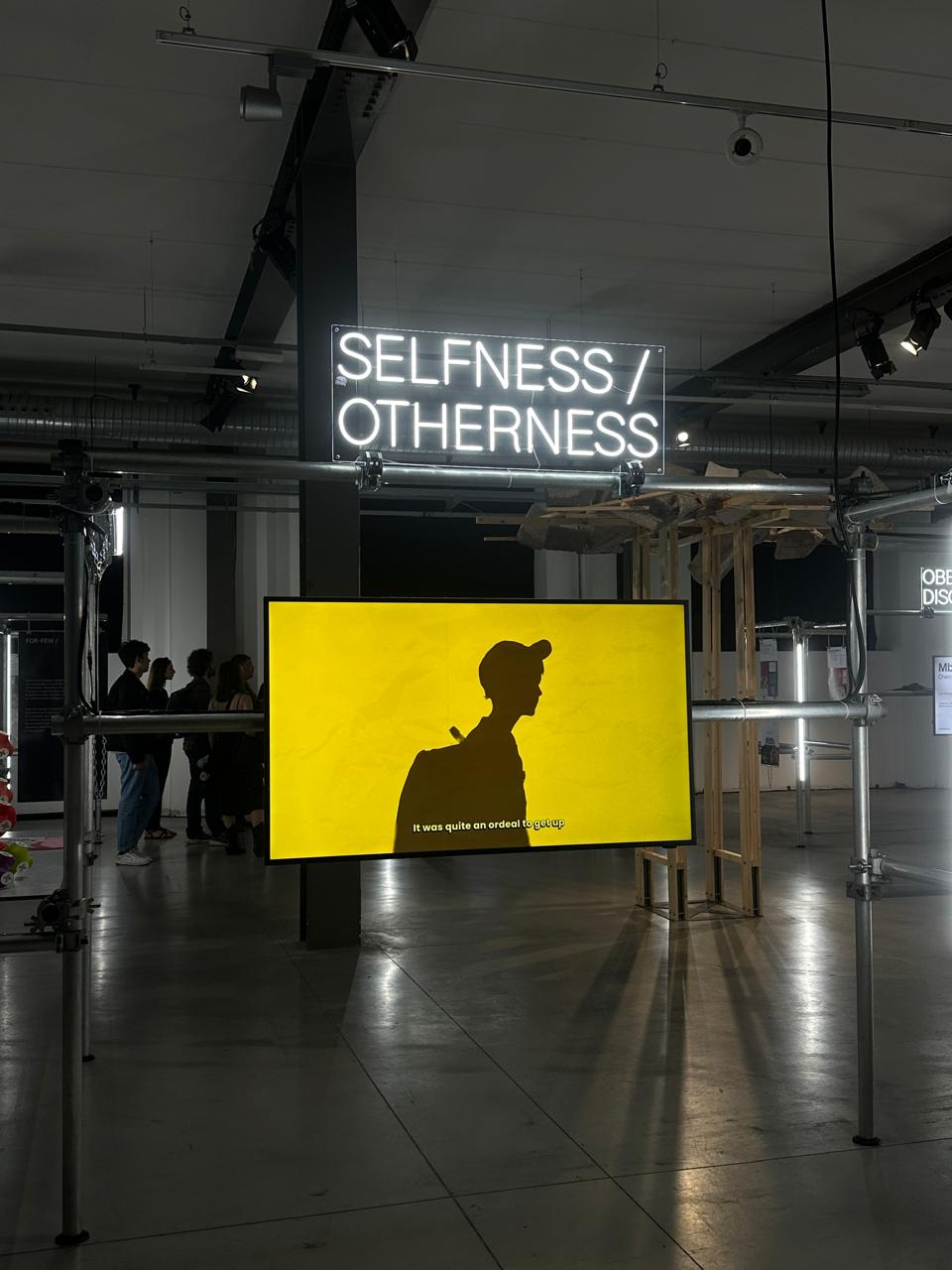
This group of individuals includes community heavy hitters from the most transited border region in the world. They were part of our first intervention at World Design Capital San Diego Tijuana, where we presented narratives from San Luis and invited voices from the SD-TJ border to record their stories through our rotary phone. We co-designed the event and led facilitation, working closely with our team to build trust and bring each of these leaders into the co-creation of the panel. Policy makers, news reporters, scholars, teachers, and advocates were moved by the outreach and, for the first time, realized they had never come together in this way. Their collective presence sparked cross-border dialogue and laid the groundwork for future policy conversations.